Parker Medium-Duty Towing Built for Commercial Vehicle Reliability
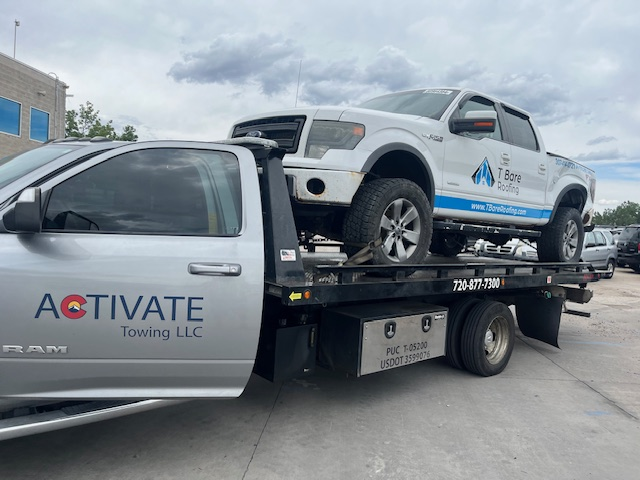
Activate Towing handles medium-duty recoveries across Parker for box trucks, step vans, and dually pickups up to 26,000 lbs GVWR. We operate Colorado PUC-licensed wreckers with underlift systems, air-brake caging tools, and 49 CFR 393 securement protocols.
Trusted by drivers across Douglas County
Live reviews straight from Google.
Fair medium-duty pricing, quoted before we roll in Parker, CO.
We confirm vehicle class, weight, and accessibility on the call so you get a real number, not a moving target.
Sprinter vans, box trucks, work vans up to 14k GVWR. All-in flat rate.
Honest per-mile beyond 5 miles. Confirmed before we roll.
Bobtail and small trailer moves between yards and job sites.
Quote confirmed on the call. Pay on site.
Lock in your quote. 720-877-7300
Best Medium-Duty Towing for Work and Fleet Vehicles
Most operators show up with a light-duty wrecker and discover the box truck won't fit. We match Class 4–6 vehicles to the correct carrier or underlift from dispatch, not after arrival. That saves an hour and prevents frame damage.
What We Bring to Every Medium-Duty Call
- Air-Brake Management: Gladhand air supply or spring brake caging on site.
- Driveline Disconnect: Axle shaft removal when transmission won't shift to neutral.
- Securement Documentation: Four-point tie-down with WLL tags and timestamped photos.
Call volume doubles when the first operator shows up unprepared. We dispatch the right equipment based on actual specs, not optimistic guesses.
Commercial Vehicle Recovery Across Parker Corridors
We stage recoveries along Parker Road, Mainstreet, and Lincoln Avenue with traffic control that meets MUTCD Part 6 standards. Tight commercial lots and residential cul-de-sacs require low-clearance planning and spotter coordination.
Underlift and Carrier Dispatch
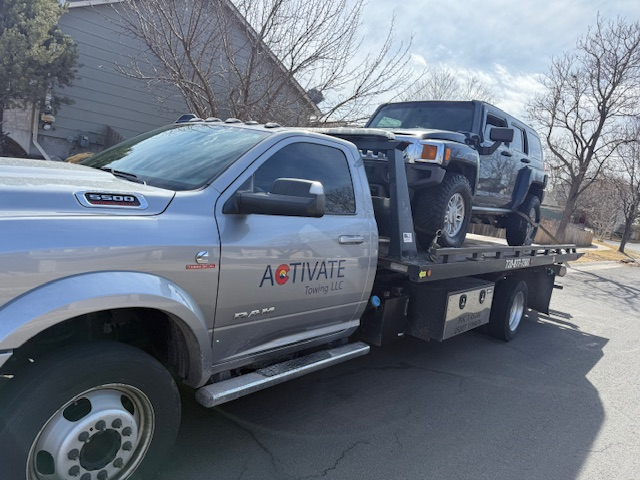
We send the correct truck based on GVWR, cargo status, and access constraints. Rollback carriers handle up to 22-foot beds; underlift wreckers work when clearance is tight or the vehicle can't roll.
Air System and Brake Protocols
Operators carry gladhand adapters and brake caging tools for vehicles with depleted air tanks. Spring brakes are released or caged depending on tow method and manufacturer spec.
Securement to FMCSA Standards
Every load uses a minimum of four independent tie-downs with total working load limit equal to or exceeding 50% of vehicle weight. V-chains, wheel nets, and axle straps are tagged and inspected before each use.
Route and Clearance Planning
We map height restrictions, bridge ratings, and construction zones before roll. Deliveries to repair facilities or storage yards include after-hours coordination and controlled unload procedures.
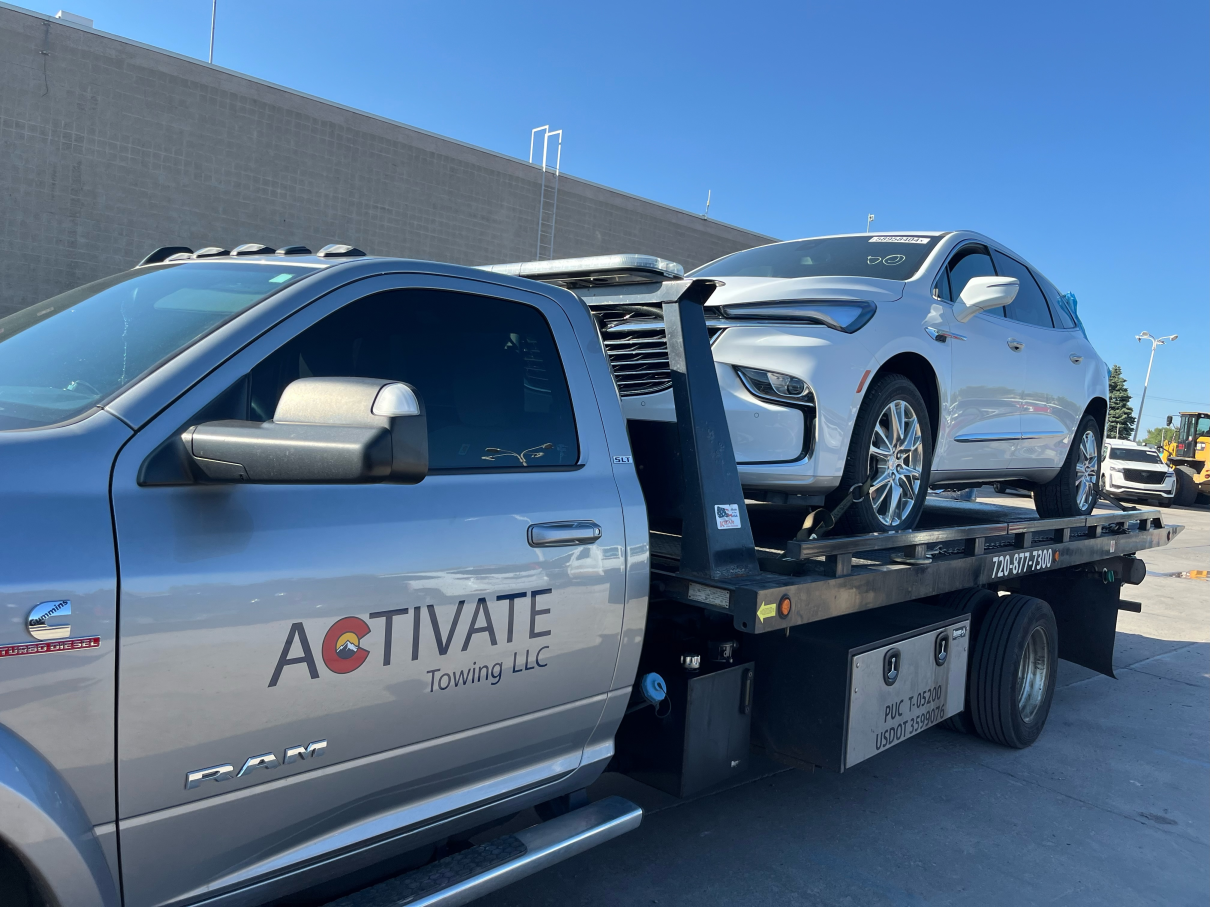
Trusted Recovery for Commercial Operators and Fleet Managers
You've already called the first operator and they quoted light-duty rates, then added surcharges when they saw the truck. We quote based on actual GVWR, cargo status, and access conditions before dispatch. No revision after arrival.
How We Keep Commercial Clients Moving
- Fleet Invoicing: PO numbers, itemized billing, and COI on request.
- Photo Documentation: Pre-tow and post-delivery images with GPS timestamps for claims.
- After-Hours Dispatch: 24/7 availability for breakdowns outside business hours.
- Cargo Coordination: We note load status and refrigeration needs during intake.
Pricing transparency matters when you're managing a fleet budget. We provide flat-rate zones with mileage add-ons quoted before roll, but the honest answer is that winch-outs, driveline disconnects, and multi-vehicle staging add time and labor that can't always be predicted from a phone description.
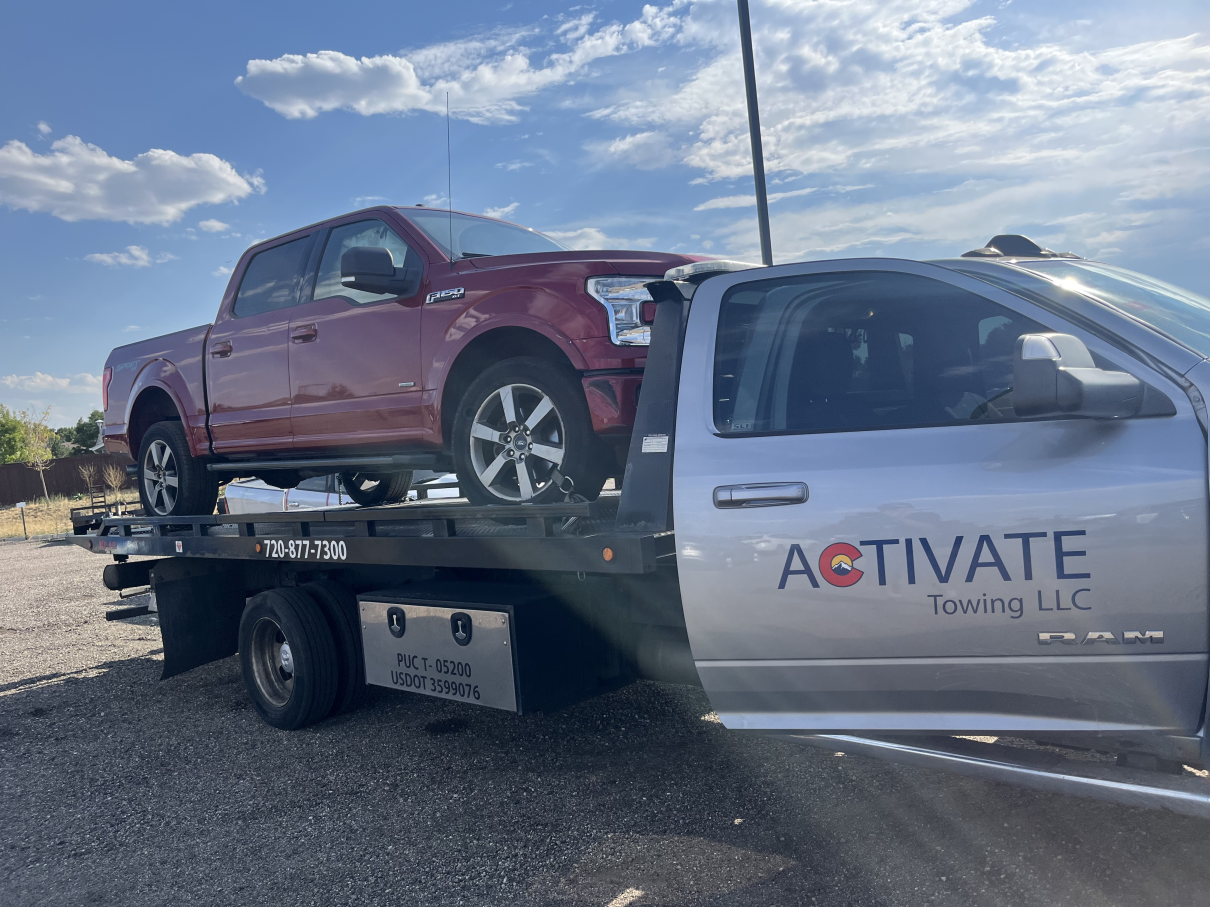
What Should You Expect During a Medium-Duty Towing Response?
Dispatch confirms vehicle weight, cargo status, and access constraints during intake. The operator arrives with the correct truck, assesses air brake and driveline status, and rigs securement before loading. Most calls take 45 to 75 minutes on-scene.
Steps from Call to Delivery
- Intake and Asset Match: GVWR, location hazards, and cargo determine truck selection.
- On-Scene Assessment: Air system check, neutral verification, and rigging plan.
- Load and Secure: Underlift positioning or carrier deck, then four-point tie-down.
We once towed a catering van from a Parker wedding venue where the driver had locked the keys inside with the engine running and the transmission in drive. The air brakes held it stationary, but we couldn't shift to neutral without the ignition. We caged the spring brakes, dollied the rear axle, and winched it onto the carrier without cutting power or breaking glass. The client was relieved until they realized the refrigeration unit had been running on battery for six hours and the compressor was warm.
Serving Parker and Surrounding Areas
Activate Towing serves commercial operators and fleet managers throughout Parker and the surrounding Douglas County corridor. Our team regularly works in Stonegate, The Pinery, and Meridian Village, where delivery routes and contractor traffic create frequent medium-duty towing demand. We coordinate with repair facilities and storage yards across the metro area and offer flexible scheduling for after-hours recoveries when shops are closed.
Service Area
- Clients near Lincoln Meadows and Newlin Gulch frequently request box truck and step van recovery.
- Full coverage across the greater Parker metro area and E-470 corridor.
- Our operators know the low-clearance lots and tight access points along Mainstreet and Parker Road.
We dispatch medium-duty wreckers and carriers throughout Parker with 24/7 availability for commercial breakdowns and fleet emergencies.
Frequently Asked Questions
What types of vehicles actually qualify for medium-duty towing instead of light-duty service?+
Medium-duty towing handles vehicles between 10,001 and 26,000 pounds GVWR, including box trucks, shuttle buses, and larger work vans. Classification depends on manufacturer weight ratings, not visual size estimates or payload alone.
Box trucks, step vans, shuttle buses, larger cargo vans, and some heavy-duty pickups fall into the medium-duty range based on their Gross Vehicle Weight Rating. A common mistake is assuming a large-looking vehicle needs medium-duty equipment when its GVWR sits below the threshold. Operators check door placard data before dispatching equipment, since sending undersized gear creates safety risks and delays recovery. If your fleet includes vehicles over five tons, confirm their exact weight class before requesting service.
How do professional operators secure a box truck or delivery van during medium-duty towing without damaging the cargo area or undercarriage?+
Medium-duty towing uses adjustable wheel-lift systems and flatbed positioning to distribute weight evenly across the frame rails, avoiding stress on cargo floors or suspension mounts. Securing methods depend on vehicle wheelbase, load balance, and whether the truck has a liftgate or extended rear overhang.
The honest answer is that most damage happens when operators treat a loaded box truck like an oversized sedan. Box trucks and delivery vans have longer wheelbases and weight distributions that shift dramatically depending on cargo placement, which means standard hookup points don't always work. Professional operators assess the center of gravity before choosing between wheel-lift engagement or full flatbed loading. For rear-wheel-drive box trucks, the lift cradles go under the rear axle housing with rubber padding to prevent frame twist. If the truck has a liftgate or aluminum body, flatbed loading spreads the entire load across the deck instead of concentrating force at two contact points. We've found that trucks with aftermarket lift kits or air suspension need manual deflation or bypass before securing, otherwise the suspension compresses unevenly during the lift and bends mounting brackets.
If your fleet includes box trucks with custom shelving, refrigeration units, or hydraulic lifts, mention those details when you request service. Operators can bring additional tie-down straps and protective matting to isolate sensitive equipment from vibration during transport, but only if they know what's onboard before arrival.
How does Activate Towing handle weight distribution and balance when recovering a loaded medium-duty vehicle in Parker?+
Weight distribution is managed by assessing cargo placement, axle load, and suspension sag before rigging. Improper balance during recovery can shift loads or damage suspension components during transport.
Activate Towing approaches every loaded medium-duty recovery with a weight assessment before any rigging takes place. Box trucks, delivery vans, and service vehicles often carry uneven cargo loads that aren't visible from the outside, and pulling a vehicle with misaligned weight can cause internal shifting, frame stress, or suspension damage during the lift. We check tire compression, suspension sag, and axle height on both sides before choosing attachment points, because a truck that looks level from one angle can be carrying twice the load on the rear left corner.
Balance Checks That Prevent Cargo Shift During Recovery:
- Axle Sag Comparison: We measure ride height at each wheel to identify uneven loading before selecting lift points or winch angles.
- Cargo Securement Verification: If accessible, we confirm that internal loads are strapped or braced to prevent shifting when the vehicle tilts during hookup.
- Suspension Travel Limits: Vehicles with air suspension or overload springs require different rigging to avoid bottoming out or overextending during the tow.
- Center of Gravity Adjustment: For vehicles with rear-heavy loads, we position the tow truck closer to the rear axle to keep weight balanced across the underlift.
A common mistake is treating every box truck the same way, but a vehicle loaded with office furniture handles completely differently than one carrying HVAC equipment or palletized freight. If your medium-duty vehicle is disabled with cargo still onboard, let Activate Towing know what's inside when you call so we can bring the right rigging and position the truck correctly from the start.
What happens if a medium-duty truck breaks down on a narrow Parker street where a standard flatbed can't maneuver safely?+
Professional operators use wheel-lift rigs or integrated boom systems designed for tight clearances when standard flatbeds can't position safely. Recovery method depends on curb height, overhead obstructions, and whether the disabled vehicle can roll under its own suspension.
Operators assess curb angles and overhead clearance first, then decide between a wheel-lift configuration or a boom-assisted lift that doesn't require full side access. If the truck's rear axle is locked or the suspension collapsed, dolly systems get positioned from the front to create a pivot point. One thing that catches fleet managers off guard is how often we need to coordinate temporary lane closures with local authorities when the disabled vehicle blocks through traffic. That adds time but prevents secondary accidents. If your medium-duty vehicle is stranded in a residential zone with parked cars lining both sides, mention that when you call so the right equipment gets dispatched from the start.
Why does Activate Towing recommend flatbed transport over wheel-lift hookups for most medium-duty towing calls in Parker?+
Flatbed transport eliminates drivetrain stress and suspension damage that wheel-lift hookups can cause on medium-duty vehicles, especially when the disabled truck carries unbalanced cargo or has locked axles. Weight distribution matters more than convenience.
Wheel-lift rigs were designed for passenger cars, not box trucks or delivery vans with rear cargo weight. When a medium-duty vehicle gets towed with two wheels on the ground, the driveshaft stays engaged unless the operator manually disconnects it (which most roadside scenarios don't allow time for). That creates heat buildup in the transmission and transfer case, particularly on AWD chassis. Flatbed transport sidesteps the problem entirely by lifting all four wheels off the pavement. Activate Towing uses flatbeds as the default method for medium-duty calls because the risk of secondary damage drops to near zero once the vehicle is fully cradled. Wheel-lift hookups still make sense for quick relocations in parking lots or driveways where the truck rolls freely and the move covers less than a mile, but anything involving highway speeds or locked brakes calls for a flatbed.
If your medium-duty truck is stranded and you're unsure whether a wheel-lift or flatbed is safer, call Activate Towing and describe the vehicle's condition over the phone. We'll dispatch the right equipment the first time, so your truck arrives at the repair shop without new problems that weren't there when it broke down.
Related Parker, CO service pages.
Box Truck or Step Van Down? We'll Match the Right Equipment to Your Vehicle
Call now for a quoted rate based on actual GVWR, cargo status, and access conditions. Our operators carry air-brake tools, driveline disconnect kits, and 49 CFR securement gear on every truck. We provide itemized invoices, photo documentation, and COI on request for fleet managers and commercial clients.