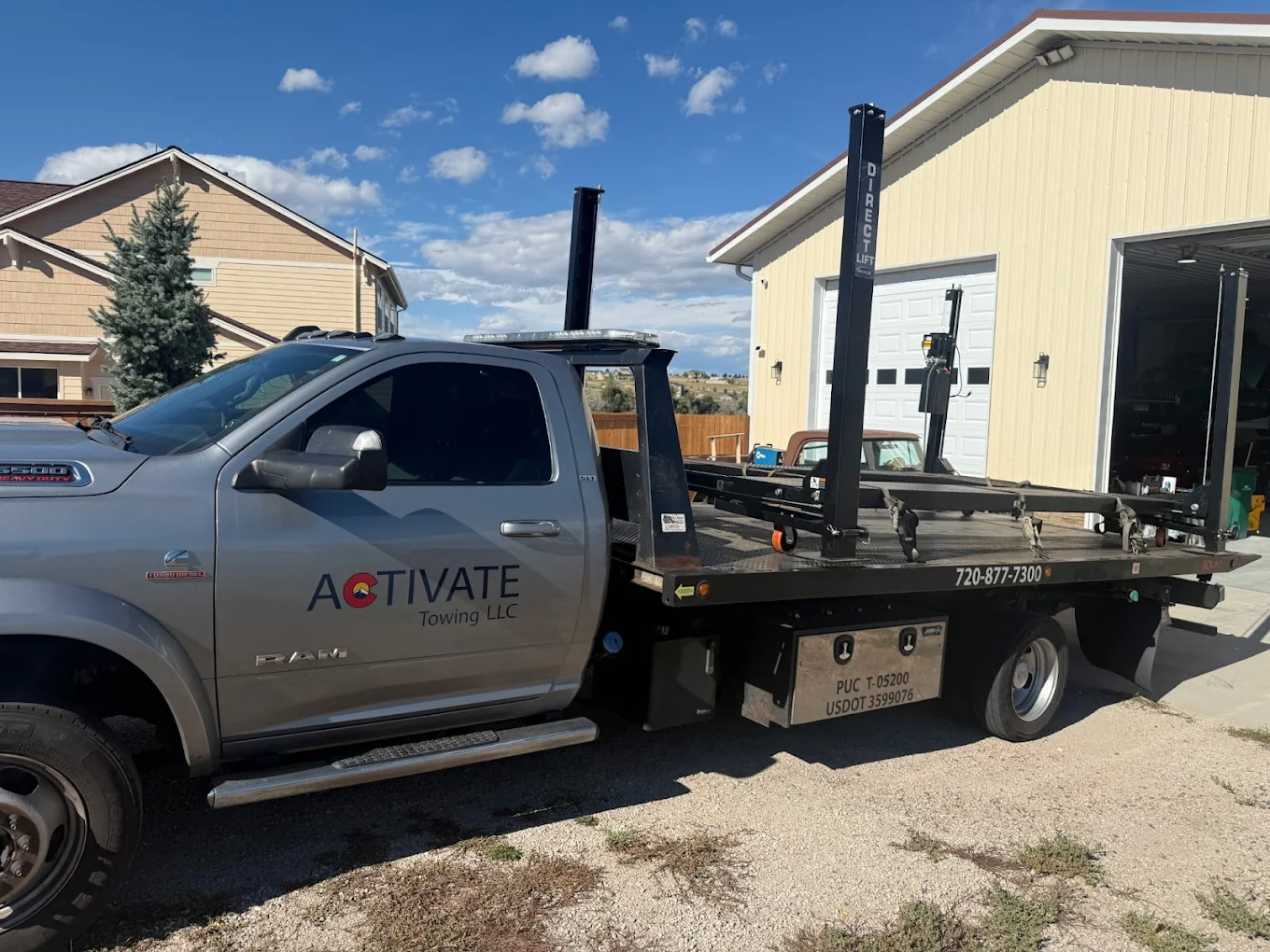
Parker Flatbed Towing Built for Driveline-Safe Transport
Activate Towing provides flatbed towing in Parker using hydraulic rollback carriers and four-point tie-down systems that protect AWD, EV, and low-clearance vehicles from driveline wear. Every transport follows FMCSA cargo securement standards with documented pre-trip inspections and itemized invoicing.
Trusted by drivers across Douglas County
Live reviews straight from Google.
Flatbed pricing. Locked in over the phone in Parker, CO.
Premium flatbed work, fair price. The number we say on the call is the number you pay at drop-off.
All-in flatbed tow for AWD, 4WD, EV, and lowered vehicles.
Honest hook-up + per-mile beyond 5 miles.
Lowered splitters, sport-car ramps, or tight-access load-ins.
Quote confirmed on the call. Pay on site.
Lock in your quote. 720-877-7300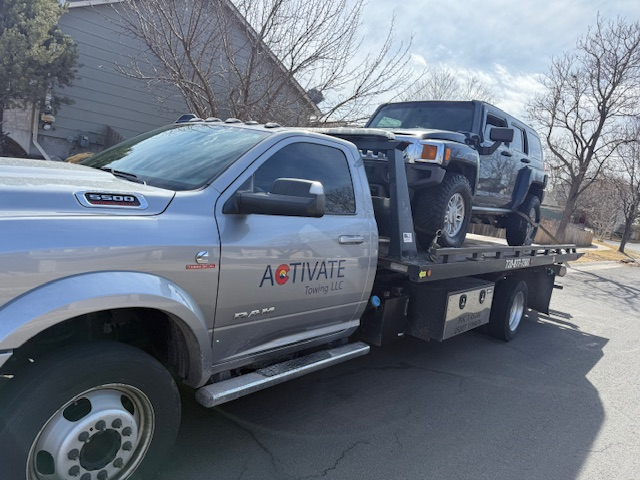
What Makes Flatbed Towing the Best Option for Your Vehicle?
All four wheels ride on the deck. That's the honest difference. Wheel-lift and dolly rigs work fine for many situations, but they introduce driveline rotation risk on AWD systems and scrape risk on anything with a front air dam or low ground clearance.
Why Carriers Prevent the Problems Wheel-Lifts Create
- Zero Driveline Rotation: No wheels spin during transport, eliminating transmission and differential wear.
- Ground Clearance Protection: Deck angle stays flat; no dragging splitters or exhaust components.
- EV Transport Mode Compliance: Battery isolation and regen braking disengaged per manufacturer service manuals.
We load using a planetary winch rated to 10,000 pounds and secure at four corners with polyester wheel straps rated above vehicle weight. One pattern we see consistently: clients who've had a wheel-lift tow before and heard grinding during transport never want that risk again.
How We Handle Every Transport Step in Parker
The work starts before the bed tilts. We photograph vehicle condition, verify drivetrain type, and confirm parking brake status before any winching begins.
Scene Assessment and Documentation
GPS coordinates logged, vehicle condition photographed from six angles, and drivetrain type verified against VIN database. If the vehicle is an EV or hybrid, we confirm 12-volt isolation procedures before touching the winch pendant.
Controlled Winch-In and Bed Positioning
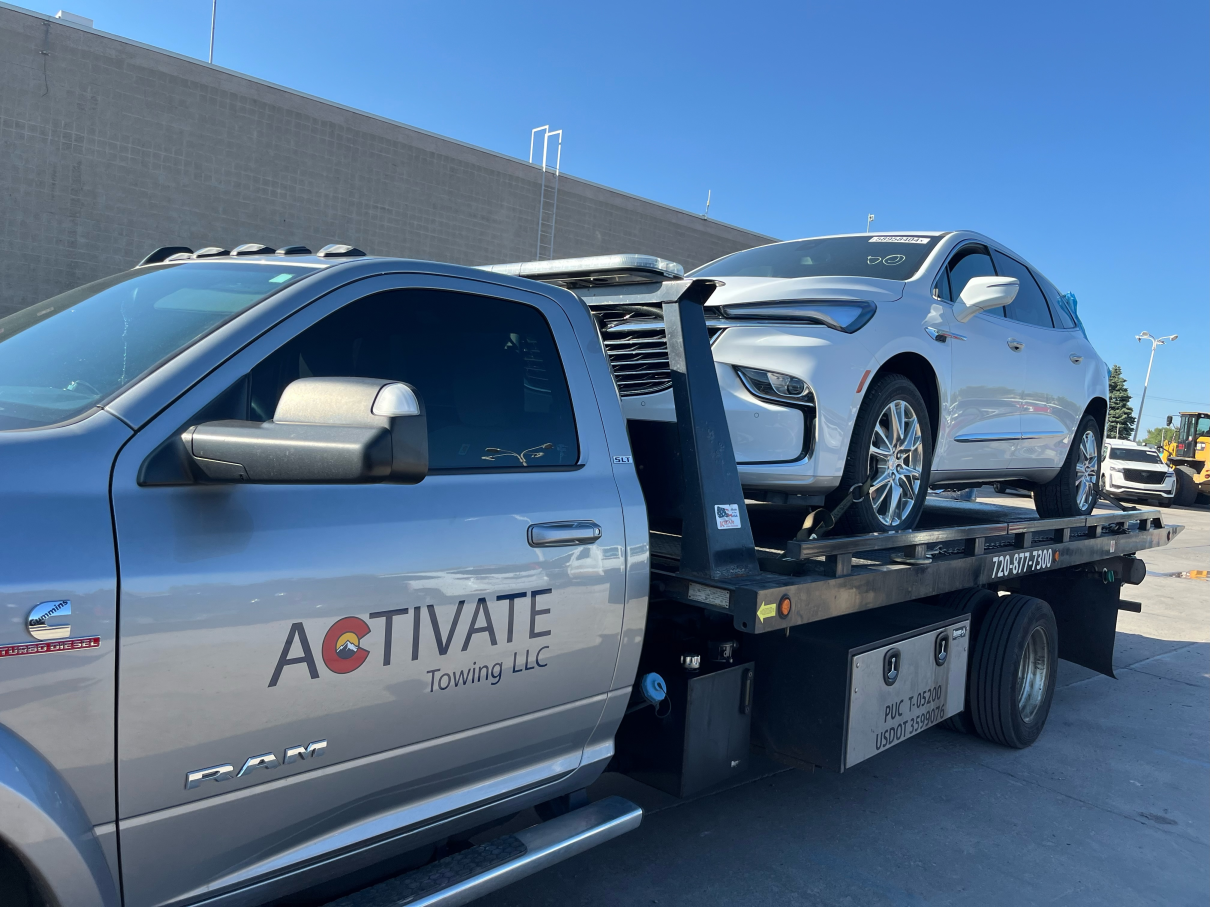
Hydraulic bed tilts to match approach angle, wheel chocks placed, and winch cable routed through snatch block if the pull angle exceeds fifteen degrees. The vehicle rolls onto the deck under constant tension with no jerking or sudden stops.
Four-Point Securement and WLL Verification
Polyester wheel straps loop through rim openings and anchor to L-track fittings, with each strap's working load limit tag visible and photographed. Grade 70 safety chains cross underneath as secondary securement per SAE J684 standards.
Transit and Unload Protocols
We re-inspect tie-downs every 150 miles or three hours, whichever comes first, per DOT cargo securement rules. At destination, the bed tilts slowly, chocks are repositioned, and the vehicle rolls off under winch control with parking brake engaged.
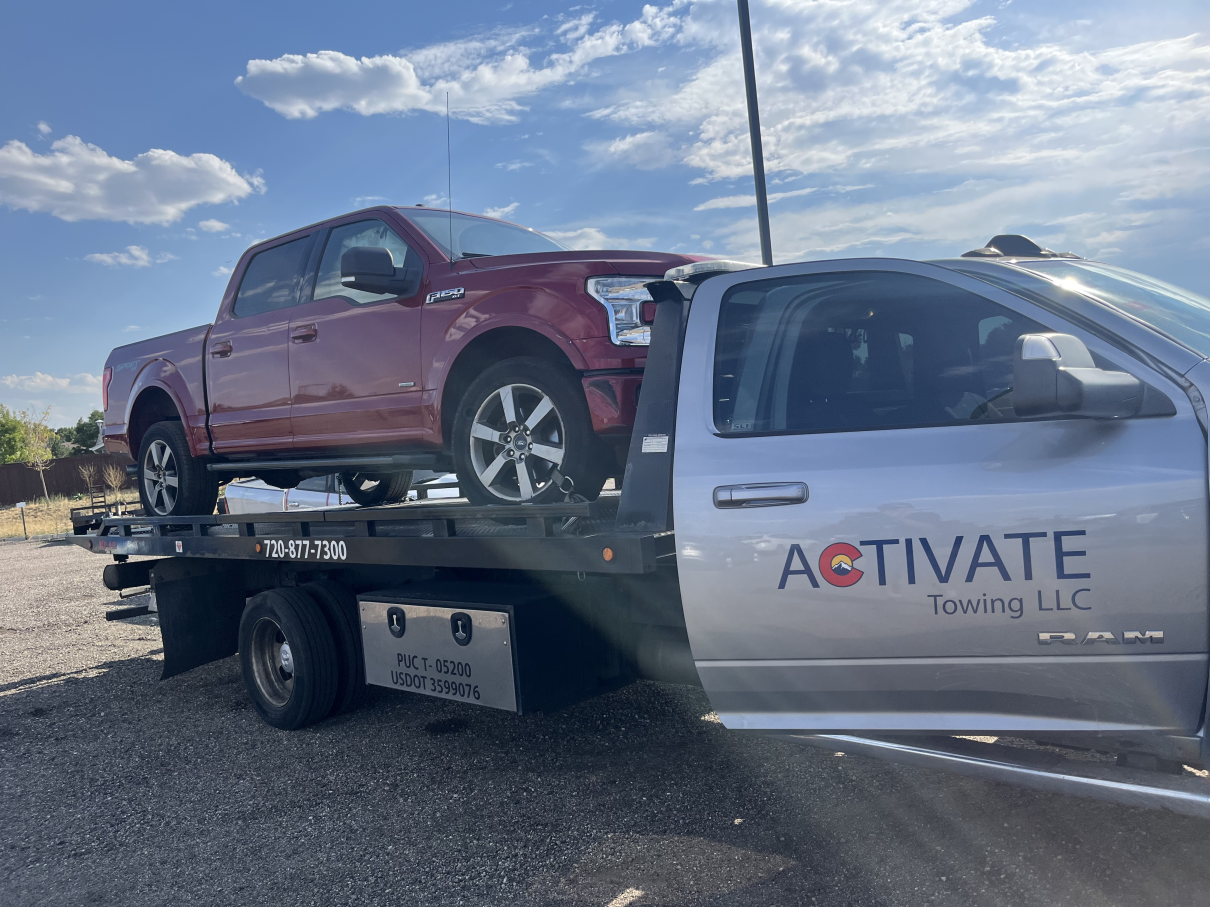
Trusted Services for Reliable Roadside Support
You're on the shoulder of E-470 with a flat tire and realize your Subaru's all-wheel-drive system won't let you use a spare without risking the center differential. That's when flatbed transport becomes the only safe option, not a luxury choice.
Situations Where Carriers Are the Only Safe Method
- AWD and 4x4 Systems: Prevents transfer case and differential damage from mismatched wheel speeds.
- Electric and Hybrid Vehicles: Avoids unintended regenerative braking that can overcharge the battery pack.
- Accident Recovery with Frame Damage: Eliminates steering and suspension stress when wheels can't roll freely.
- Classic and Exotic Cars: Protects irreplaceable body panels and low-slung aerodynamic components from scraping.
If your vehicle sits low, has a staggered tire setup, or uses a locked differential, flatbed transport stops being optional. The alternative is hoping nothing drags, binds, or overheats during a wheel-lift tow, and repair quotes don't care about hope.
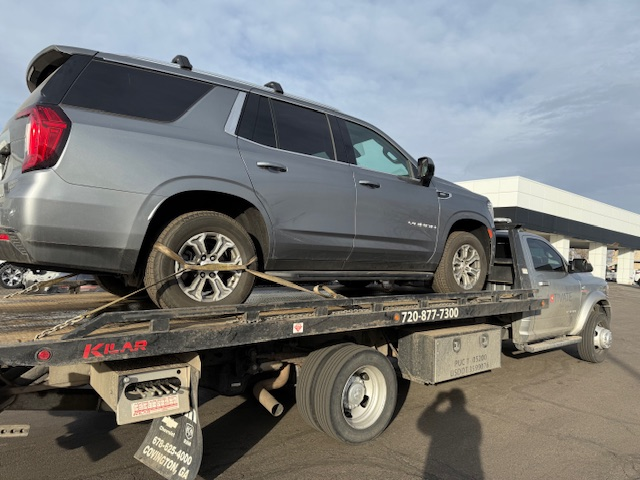
Understanding the Benefits and How It Works
The deck is a hydraulic platform that tilts to ground level, the vehicle winches on, and the bed returns to horizontal. Simple in concept, but the details matter: winch speed, strap placement, and load angle all affect whether the recovery process goes smoothly or damages something.
What Happens During a Typical Flatbed Recovery
- Bed Tilt and Approach Angle: Hydraulic cylinders lower the rear of the deck to match ground slope.
- Winch Cable Routing: Steel cable or synthetic rope routes through fairlead and snatch block if needed.
- Strap and Chain Securement: Four wheel straps anchor to L-track; chains cross underneath as backup.
- Transit and Re-Inspection: Load checked every three hours or 150 miles per DOT requirements.
Most operators skip the snatch block when the pull angle looks manageable, but anything over fifteen degrees puts side-load stress on the winch drum and can snap the cable if it binds. We've seen three cable failures in the past year from other companies, all traced back to skipped rigging steps that would've added two minutes to the setup.
Serving Parker and Surrounding Areas
Activate Towing serves residents and businesses throughout Parker and the surrounding Douglas County area. Our team regularly responds to calls along Parker Road, Mainstreet, and the E-470 corridor, as well as in nearby Stonegate, The Pinery, and Meridian. We schedule pickups around your availability, including evenings and weekends, with no extra fees for after-hours dispatch within our primary service zone.
Service Area
- Our team regularly works in Castle Pines and Lone Tree for dealer transport and auction delivery.
- Clients near the Southlands shopping district and Lincoln Avenue corridor rely on our flatbed service.
- Full coverage across the greater Parker metro area with real-time GPS tracking.
We coordinate timing with repair shops and body centers throughout Parker to minimize your vehicle's downtime and storage costs.
Frequently Asked Questions
What makes Activate Towing's flatbed service the safest transport method for vehicles in Parker?+
Flatbed towing eliminates drivetrain stress by lifting the entire vehicle onto a platform rather than towing with wheels on pavement. It's the preferred method when suspension damage, low ground clearance, or all-wheel-drive systems are present.
Activate Towing uses flatbed transport because it removes contact between the road and your vehicle's wheels entirely. That matters most when a car has existing frame damage, aftermarket modifications that lower ride height, or AWD systems that can bind if towed conventionally. We've seen transmission cases crack on luxury vehicles dragged even short distances with wheels down. If your vehicle sat disabled long enough for a tire to deflate or a control arm to sag, request flatbed pickup from Activate Towing and avoid compounding the original failure.
How does Activate Towing handle luxury and specialty vehicles during flatbed transport in Parker?+
Flatbed towing protects high-value vehicles by eliminating wheel contact and drivetrain stress during transport. Proper securement and load distribution prevent shift damage, especially on vehicles with low ground clearance or aftermarket modifications.
Activate Towing approaches luxury and specialty vehicle transport with attention to clearance angles and tie-down placement that factory suspension geometry demands. Low-profile sports cars and modified vehicles often scrape on traditional wheel-lift equipment, but flatbed loading uses adjustable ramps and winch tension calibrated to avoid underbody contact. One thing we've noticed after loading dozens of these is that aftermarket body kits fail at predictable stress points if the securing straps cross composite panels instead of frame rails. Activate Towing maps tie-down locations before winching begins, which matters more on a $90,000 vehicle than explaining why the repair estimate includes a new front splitter. Exotic drivetrains with all-wheel-drive lock modes or electric powertrains can suffer internal damage from two-wheel towing that flatbed transport entirely avoids.
If your vehicle sits lower than six inches of ground clearance or carries custom aero work, flatbed loading is the transport method that keeps expensive components intact. Activate Towing evaluates approach angles and securement points before the winch engages, not after something scrapes.
What types of vehicles benefit most from flatbed towing instead of traditional wheel-lift methods?+
Flatbed towing suits low-clearance vehicles, all-wheel-drive systems, heavily damaged cars, and high-value models where ground contact or drivetrain engagement creates risk. Wheel-lift methods work fine for standard sedans without mechanical damage.
Certain vehicles face real damage risk when towed with two wheels on the ground. All-wheel-drive and four-wheel-drive systems can suffer transmission or transfer case failure if the drivetrain stays engaged during transport. Low-clearance sports cars scrape on ramps and curbs during wheel-lift loading. Vehicles with frame damage, missing wheels, or locked steering also can't be safely dragged onto a traditional tow truck. Flatbed transport eliminates ground contact entirely, which matters when the alternative creates measurable repair costs.
Vehicle Categories That Require Full Platform Transport:
- AWD and 4WD Systems: Subarus, Audis, and trucks with engaged drivetrains risk internal damage when towed with wheels turning on pavement.
- Exotic and Modified Cars: Lowered suspensions, custom body kits, and carbon fiber components scrape or crack during angled loading on conventional equipment.
- Accident-Damaged Vehicles: Bent frames, missing tires, or deployed airbags often mean the car won't roll straight or steer predictably during hookup.
- Luxury and Lease Returns: High-value vehicles where even minor cosmetic scuffs trigger insurance disputes or lease penalty charges at turn-in.
A common mistake is assuming any tow truck will handle the job without asking about the specific method. Wheel-lift operators sometimes attempt to drag AWD vehicles in neutral, which still spins components that shouldn't move. If your car falls into any of the categories above, confirm flatbed availability before the truck arrives to avoid a second call or surprise damage.
How does flatbed towing protect all-wheel-drive vehicles from drivetrain damage during transport?+
Flatbed towing lifts all four wheels off the pavement simultaneously, preventing drivetrain stress caused by towing AWD vehicles with any wheels rolling. This method eliminates transfer case binding that occurs when front and rear axles rotate at different speeds during conventional towing.
All-wheel-drive systems distribute power to all four wheels through a transfer case that expects synchronized rotation. When a conventional wheel-lift tow leaves two wheels on the ground, those wheels turn while the lifted wheels stay stationary, creating torque conflicts inside the transfer case that can strip gears or burn clutch packs. Flatbed transport keeps the entire vehicle stationary, so no axle turns independently. If your AWD vehicle needs relocation after a breakdown or accident, flatbed service avoids the repair bills that follow improper towing methods.
How much does flatbed towing cost compared to wheel-lift service in Parker?+
Flatbed towing costs more than wheel-lift service due to specialized equipment and longer load times, but the price difference becomes negligible when weighed against the risk of undercarriage or transmission damage during transport.
The honest answer is that flatbed service runs higher than traditional wheel-lift towing because the equipment itself costs more to operate and maintain, and securing a vehicle properly on a flatbed takes additional time. That said, the gap isn't as wide as most people assume when you're comparing apples to apples (same distance, same vehicle weight). Where the math shifts entirely is when you factor in what can go wrong. A wheel-lift tow on an all-wheel-drive vehicle or something sitting low to the ground can cause drivetrain binding or scrape damage that costs hundreds or thousands to repair afterward. Flatbed eliminates those failure modes entirely by lifting all four wheels off the pavement.
If your vehicle has low clearance, performance modifications, or all-wheel drive, the cost difference becomes irrelevant once you account for repair risk. Request a flatbed quote that includes your vehicle type and transport distance so you're comparing real numbers, not assumptions.
Related Parker, CO service pages.
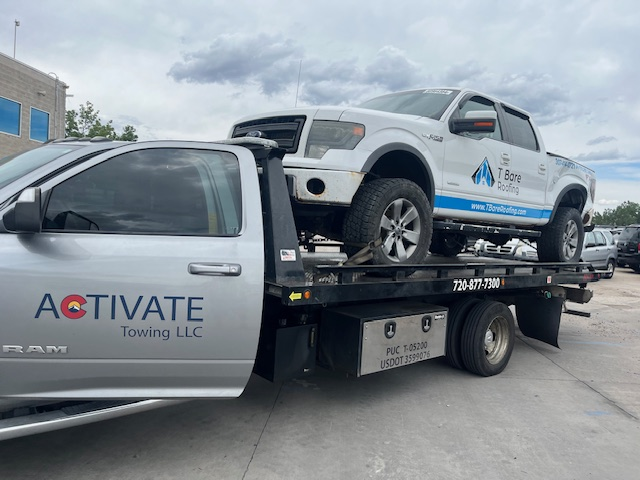
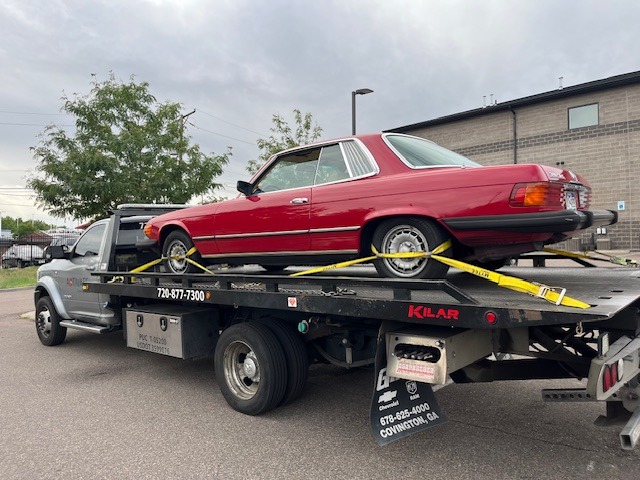
Need a Flatbed Tow in Parker Right Now?
Call Activate Towing for immediate dispatch with GPS-tracked ETAs and transparent pricing. Every transport includes photo documentation, itemized invoicing, and FMCSA-compliant securement. We handle AWD, EV, and low-clearance vehicles with the same care you'd expect for your own car.