Castle Rock Car and Light-Duty Towing for Palmer Divide Terrain
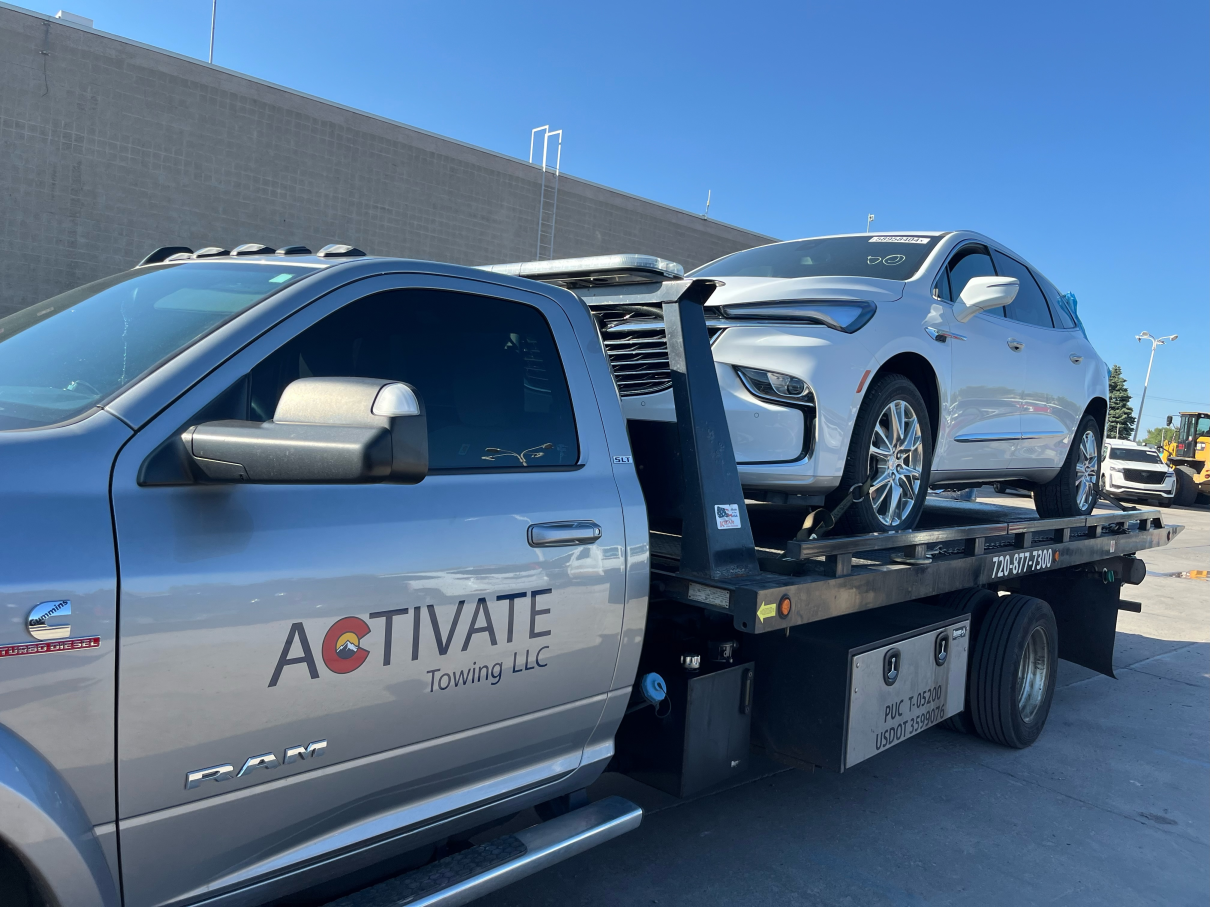
Activate Towing provides car and light-duty towing across Castle Rock and Douglas County corridors. Our wheel-lift and rollback fleet handles AWD, EV, and low-clearance vehicles with PUC-compliant insurance and 24/7 dispatch.
Trusted by drivers across Douglas County
Live reviews straight from Google.
Flat-rate light duty towing. Quoted before we roll in Castle Rock, CO.
No fuel surcharge. No after-hours fee. No mystery storage charges. The number we say is the number you pay.
All-in. Hook-up, miles, and drop-off included.
Honest hook-up + per-mile. That's it.
Soft straps & wheel chock. No scratched paint, no bent forks.
Quote confirmed on the call. Pay on site.
Lock in your quote. 720-877-7300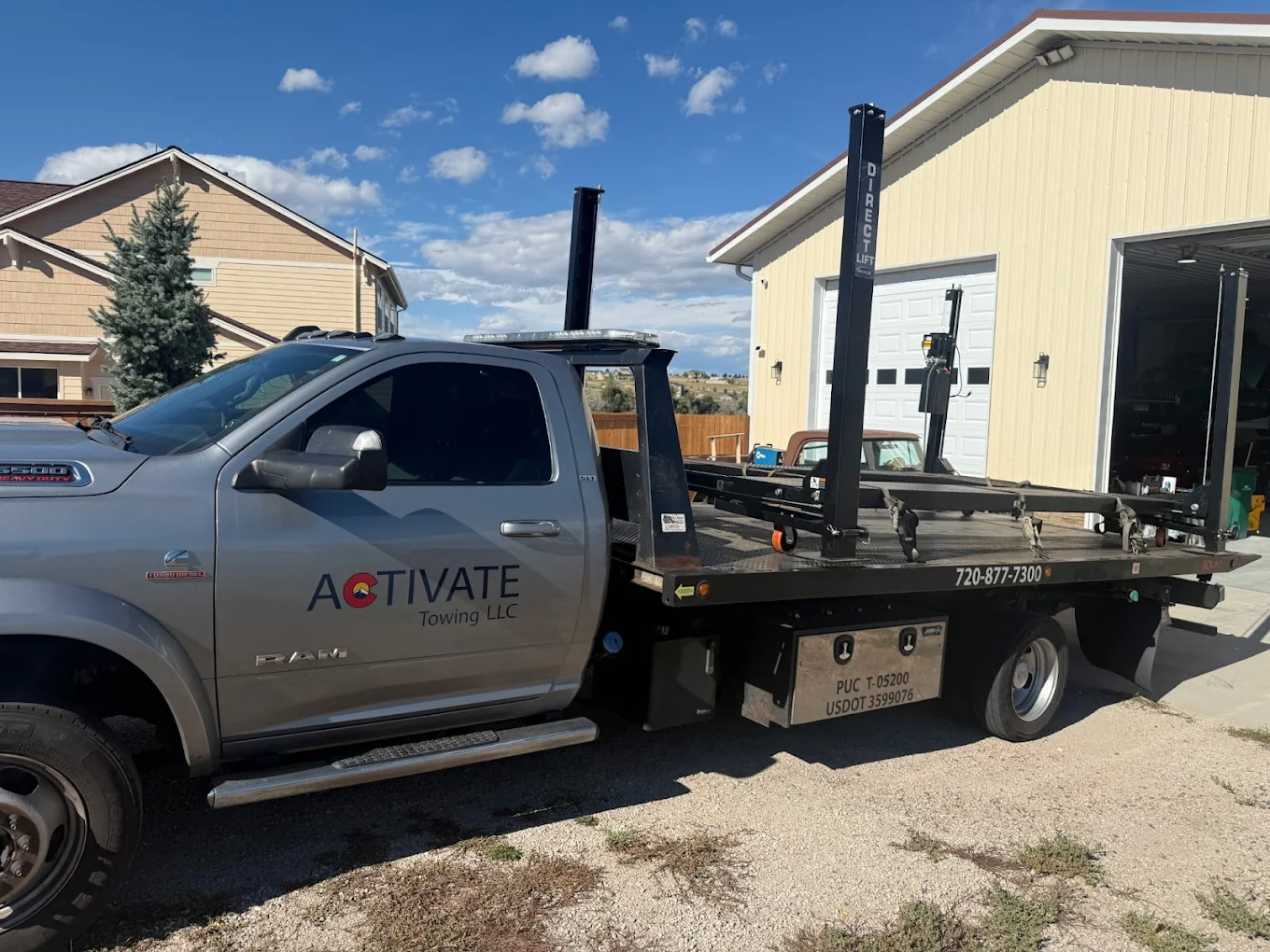
Best Equipment for Steep Grades and Winter Conditions
Castle Rock sits on the Palmer Divide, where I-25 climbs through elevation changes that stress transmissions and brakes. Most breakdowns happen on grades between Castle Pines and the Founders Parkway exit. We run wheel-lift and rollback units with low-angle ramps and traction aids, not the older sling-style rigs that can't handle modern unibody frames or AWD drivetrains.
What Our Fleet Handles Daily
- Wheel-Lift for FWD/RWD: Standard hook-up with J-hooks and soft straps at frame points
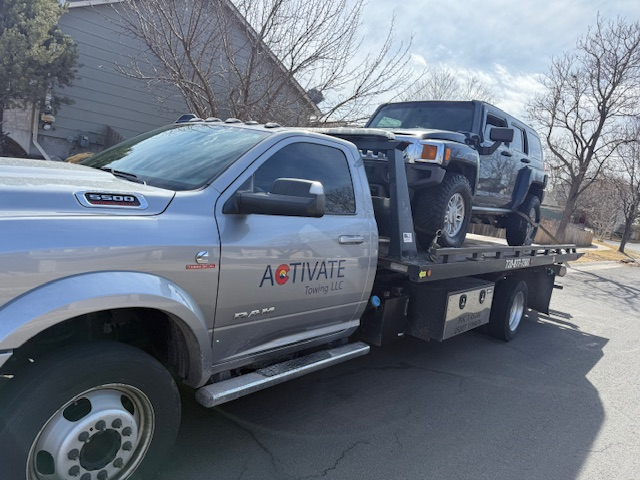
- Rollback for AWD/EV: Flatbed deck prevents drivetrain rotation and underbody scrapes
- Dollies for Locked Drivetrains: Self-loading dollies when parking brake or transmission won't release
- Traction Aids and Chains: Sand, recovery boards, and grade 70 chains for icy pull-outs
Operators document attachment points and securement with photos before moving the vehicle, meeting PUC cargo liability standards. Most customers assume any tow truck can handle their Subaru or Tesla, then watch the operator realize mid-hook that he doesn't carry dollies or know the EV transport-mode procedure.
Why Local Operators Know These Roads
Castle Rock's elevation, freeze-thaw cycles, and proximity to the Palmer Divide mean vehicles fail in ways that flat-terrain operators don't train for. Dispatch needs to know which units carry the right equipment before sending them.
Elevation and Cooling System Stress
Thinner air at 6,200 feet reduces cooling efficiency. Overheating on I-25 grades is common, especially in older vehicles with marginal radiators or failing water pumps.
Freeze-Thaw Road Damage
Winter temperatures swing from -10°F to 50°F in a week, cracking pavement and creating potholes that blow tires and bend suspension components. Spring is the worst season for alignment and tire failures .
Wind-Load on Exposed Corridors
The Palmer Divide funnels wind across I-25 and Founders Parkway. High-profile vehicles and trailers lose control, and lightweight cars get pushed into guardrails during gusts over 40 mph.
Ice Accumulation on Shaded Sections
North-facing slopes and overpasses stay icy hours after the sun comes up. Black ice forms overnight even when daytime temps hit 50°F, catching drivers off guard.
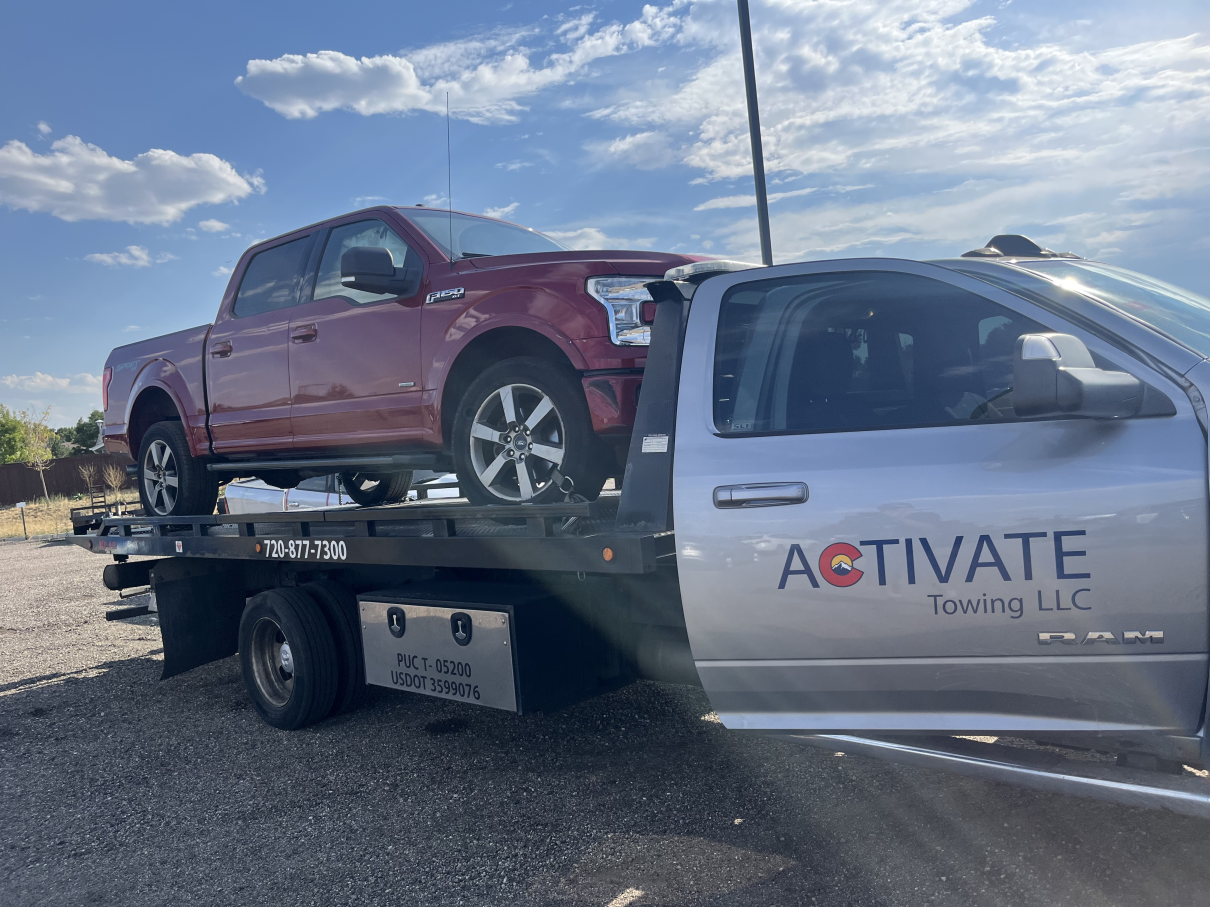
How Do You Find Trusted Car and Light-Duty Towing Nearby?
You're stuck on the shoulder of I-25 at 7 PM, watching headlights blur past, and your insurance app shows three tow companies with no reviews or photos. Most drivers pick the first name that answers, then wait 90 minutes only to find out the truck can't handle their vehicle. The honest answer is that PUC registration and cargo insurance are the only hard requirements; everything else is optional.
What Separates Operators in This Market
- PUC Carrier Registration: Colorado requires all commercial tow carriers to register with the Public Utilities Commission
- On-Hook Cargo Coverage: Liability insurance must cover vehicle damage during transport, not just accidents
- GPS Dispatch and ETA: Real-time tracking shows which unit is closest and when it will arrive
- Equipment Photo Documentation: Photos of attachment points and securement before moving prove proper handling
Last winter a sedan slid into a snowbank on Wolfensberger Road, and the customer's insurance sent a flatbed from Lone Tree. The truck couldn't navigate the grade with ice, so we dispatched a wheel-lift unit with chains and pulled the car out in 20 minutes. The insurance company still hasn't updated their vendor list.
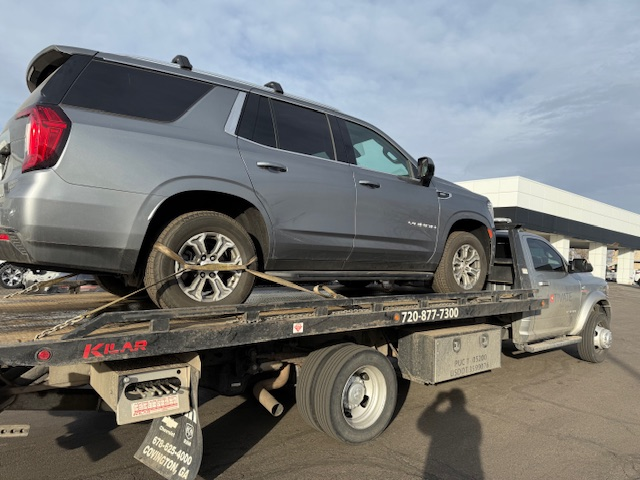
Understanding Car and Light-Duty Towing Processes and Benefits
Light-duty towing covers passenger cars , motorcycles, and small SUVs under 10,000 lbs. Wheel-lift is faster for standard FWD and RWD cars; flatbed is required for AWD, low-clearance, and EV vehicles to prevent drivetrain damage. Dispatch triage matches the vehicle type and location to the right equipment before sending a truck.
How the Work Actually Unfolds
- Dispatch and Equipment Match: Operator confirms vehicle type, location access, and required equipment before dispatch
- Scene Safety and Traffic Control: Cones, triangles, and high-visibility apparel per MUTCD before approaching the vehicle
- Attachment and Securement: J-hooks at frame points or 4-point tie-downs on flatbed deck with edge protection
Most tows from Castle Rock to a local shop take 15 to 25 minutes once the vehicle is loaded. Longer distances to Denver or Colorado Springs add mileage charges, and after-hours calls between 8 PM and 6 AM typically carry a 50% surcharge. One thing we've learned the hard way: customers who don't mention their car is lowered or has aftermarket body kits often end up with scrapes because the operator brings a standard wheel-lift instead of a flatbed with low-angle ramps.
Serving Castle Rock and Surrounding Areas
Activate Towing serves residents and businesses throughout Castle Rock and the surrounding Douglas County area. Our team regularly works in Meadows and Castle Pines Village, as well as along the Founders Parkway and I-25 corridor. We schedule dispatches around your timeline, whether that's an early-morning breakdown or a late-night call from the shoulder. No fixed office hours, our operators run 24/7 coverage across the region.
Service Area
- We handle calls from Roxborough Village and Highlands Ranch regularly.
- Clients near the Outlets at Castle Rock and Promenade at Castle Rock shopping districts.
- Full dispatch coverage across the greater Castle Rock metro area.
Same-day and after-hours towing available throughout Castle Rock and Douglas County with flexible dispatch.
Frequently Asked Questions
What happens to my vehicle during a light-duty tow if the transmission is stuck in park?+
Vehicles with locked transmissions can be loaded using dollies or flatbed positioning to avoid drivetrain damage. The method depends on whether the vehicle is front-wheel, rear-wheel, or all-wheel drive.
A stuck transmission requires wheel lift dollies or flatbed loading to prevent axle stress. Front-wheel drive cars get dollies under the rear wheels, while rear-wheel models need front support. All-wheel drive vehicles go straight onto a flatbed. One thing that catches people off guard is how much longer this takes compared to a rolling neutral tow, sometimes adding fifteen minutes to the process. If your car won't shift and you need it moved, mention the drivetrain type when you call so the right equipment shows up.
What should I do if my vehicle breaks down on a highway near Castle Rock?+
Pull as far right as safely possible, turn on hazards, exit the vehicle only if safe, and call for light-duty towing immediately. Staying inside with a seatbelt fastened is often safer than standing roadside in high-speed traffic.
The first priority is getting your vehicle out of active traffic lanes. If the engine still responds, coast to the shoulder or nearest exit ramp before it dies completely. Turn on hazard lights as soon as you realize something is wrong. If you're stuck in a lane and can't move, do not attempt to push the vehicle yourself, especially on highways like I-25 where speeds exceed 70 mph. Once stopped, assess whether it's safer to stay inside with your seatbelt on or exit away from traffic. Most roadside fatalities happen to people standing near disabled vehicles. Call for a tow truck right away and provide your exact location using mile markers or cross streets. Dispatchers can relay your position to the driver, who will approach with amber lights and position their truck to shield your vehicle from oncoming traffic.
If you're in a high-risk spot like a curve or merge lane, a tow operator will work quickly to load and clear the scene. Keep doors locked if you're waiting inside, and don't accept help from strangers who stop. Professional tow trucks arrive faster than most people expect when you call from a known location with clear details.
Can a flatbed tow truck handle my lowered sports car without causing damage?+
Flatbed tow trucks handle lowered vehicles safely when ground clearance is assessed before loading and ramps are positioned to avoid scraping. Damage risk increases if the approach angle exceeds the car's front spoiler clearance.
Lowered sports cars and modified vehicles with reduced ground clearance can be towed on flatbeds, but the loading process requires more attention than standard vehicles. The main concern is scraping the front bumper, splitter, or undercarriage as the car transitions from ground level onto the flatbed deck. Most professional flatbed operators carry low-angle ramps and can adjust the bed tilt to minimize the approach angle, but there's a practical floor to how low they can go before physics takes over.
Loading Adjustments That Protect Low-Clearance Vehicles:
- Deck Tilt and Ramp Angle: Flatbeds can lower to reduce the transition angle, but vehicles with less than three inches of clearance may still contact the ramp edge during initial loading.
- Wheel Dollies or Skates: For extremely low cars, some operators use wheel dollies to roll the vehicle onto the deck without driving it, eliminating the scrape risk entirely but adding setup time.
- Splitter and Aero Component Risk: Aftermarket front splitters and side skirts are the most vulnerable parts during loading, and operators can't always see them from the cab during the pull.
One thing that catches owners off guard is that a flatbed doesn't automatically mean zero contact risk. If your car sits lower than a typical sedan and has aggressive aero parts, mention that when you call for the tow so the operator can bring the right equipment or plan the load differently. A quick conversation about ground clearance before the truck arrives usually prevents the scrape that happens when assumptions are made on site.
What should Castle Rock drivers expect when they call Activate Towing for a light-duty tow from a tight parking structure?+
Activate Towing assesses clearance, vehicle position, and access angles before dispatching the right equipment for confined spaces. Safe extraction from parking structures often requires winching or dollies when turning radius is limited.
Activate Towing walks through the structure layout with you over the phone to confirm ceiling height, column spacing, and whether the vehicle rolls freely. If the spot is too tight for a standard wheel-lift approach, we bring a flatbed with a low-profile deck or use skates to shift the car laterally before loading. One thing we see often is drivers assuming any tow truck fits anywhere. Garages built before 2010 tend to have tighter ramps and lower beams, so knowing your structure's vintage helps us bring the correct rig on the first trip.
How does Activate Towing protect my vehicle during flatbed loading in Castle Rock's hilly terrain?+
Flatbed loading on slopes requires wheel chocking, winch tension control, and chassis contact point verification to prevent frame stress. Damage risk increases when operators skip pre-load angle assessment or use generic strap placement.
After running through dozens of hillside recoveries, the honest answer is that terrain angle changes everything about how we secure a vehicle to the flatbed. Activate Towing operators assess grade before positioning the truck, then use wheel chocks on both the disabled vehicle and the flatbed itself to prevent rolling during the transition. We adjust winch speed based on incline (slower pulls reduce shock load on suspension mounts) and verify that straps contact reinforced chassis points, not body panels or control arms. One mistake we see from less experienced operators is using identical strap tension regardless of slope. That works on flat ground. On a hill, uneven weight distribution can torque the frame or bend exhaust components if the pull isn't centered.
If your car is stuck on a slope near Castle Rock and you're concerned about loading damage, call Activate Towing and ask about our hillside recovery process. We'll walk you through the chocking and winch approach before we touch your vehicle.
Related Castle Rock, CO service pages.
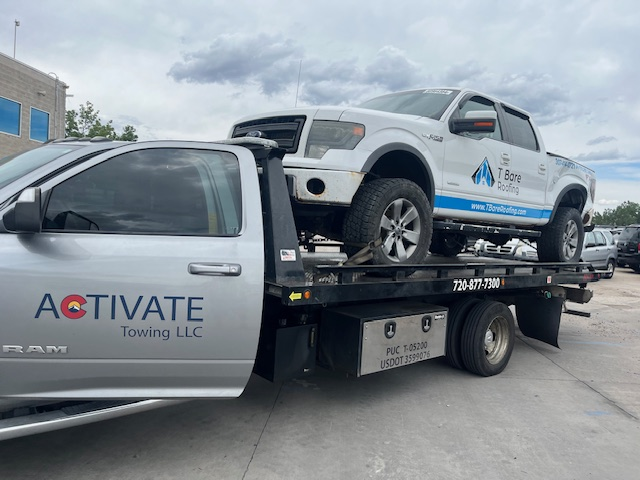
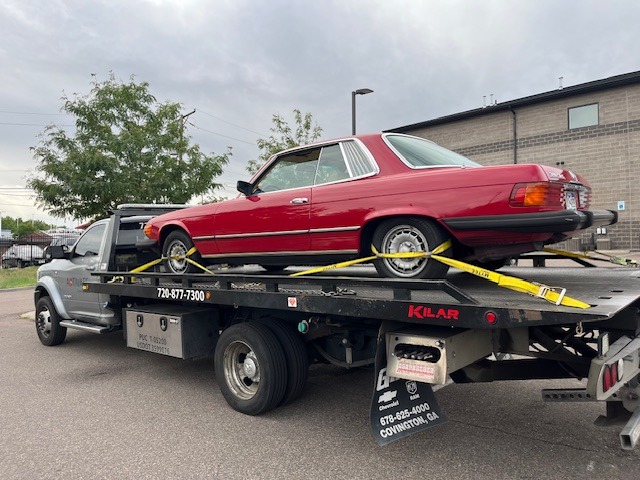
Stuck on I-25 or a Castle Rock Side Street? We'll Get There Fast
Our wheel-lift and flatbed units are dispatched across Douglas County 24/7, with operators who know the Palmer Divide grades and winter conditions. PUC-registered, fully insured, and equipped for AWD, EV, and low-clearance vehicles. Call now for a live ETA and transparent pricing, no surprises, no long waits.